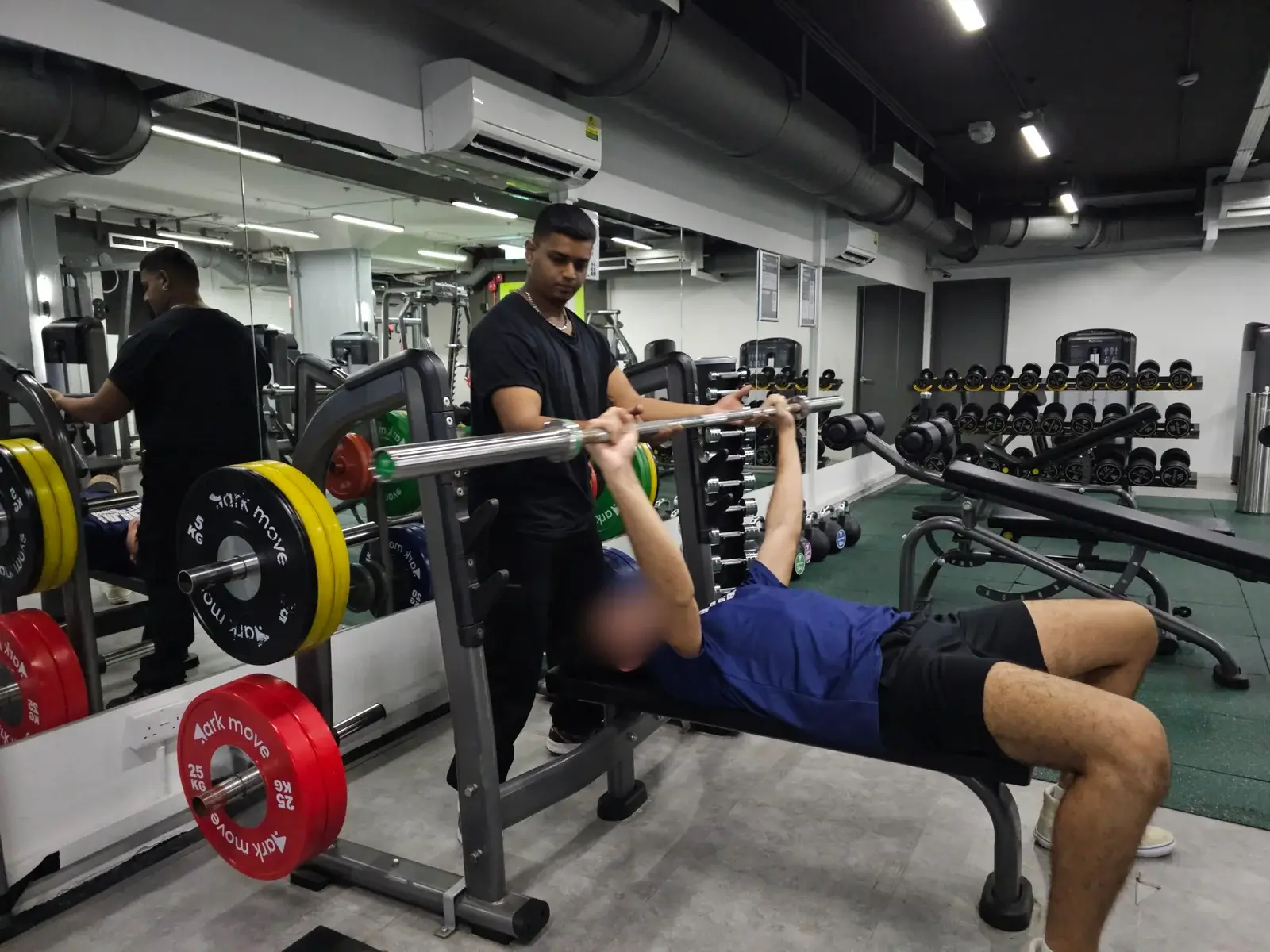
You’ve found a trainer whose price looks fair, and then you notice the word “certified” on their profile. Does it tell you anything? It does, but only if you know what sits behind it. A certified personal trainer in Singapore has passed an assessment from a fitness certifying body. A valid first aid certificate is a separate qualification, and it’s just as worth checking.
Neither certificate, on its own, tells you how well someone coaches. So before you book, check three things: the name of their fitness certification and who issued it, whether their first aid certificate is current, and how they coach in a trial session. The rest of this guide explains each check, and what our own trainers at LTH Fitness hold.
What does “certified personal trainer” mean in Singapore?
In Singapore, “certified” means a trainer has passed an assessment run by a fitness certifying organisation. There’s no single certificate every trainer must hold, so the name varies from trainer to trainer. Names you’ll often see include ACE, NCSF, ISSA and NSCA, all of which are held by trainers on our own team.
A certificate shows that a trainer has been assessed on the fundamentals of safe, effective training. It doesn’t show how well they coach, and it doesn’t cover first aid, which is a separate certificate.
Put simply, a certificate tells you what a trainer has learned. A session shows you how they use it.
Why does first aid matter as well as a fitness certificate?
A fitness certification covers how to coach exercise safely. First aid covers what to do if something goes wrong during a session, such as a fall, a fainting spell or another medical emergency. A trainer can hold one without the other, which is why it’s worth asking about both.
This matters most if you’re new to exercise, returning after a long break or training around an injury or medical condition. A first aid course that includes CPR (cardiopulmonary resuscitation) and AED (automated external defibrillator) training also prepares a trainer to respond if someone’s heart stops.
First aid certificates are valid for a limited period and need to be renewed, so a certificate earned years ago may no longer be current. When you ask, check the date on the certificate, not just whether they have one.
Should you choose the trainer or the gym first?
Plenty of people start by searching for the best personal training gym in Singapore. We would start with the trainer. The certification and first aid qualifications covered above belong to the trainer, not the gym, so they follow the person wherever they coach.
Basic equipment such as dumbbells, benches and weight machines is easy to find in gyms across Singapore. What makes the bigger difference, especially when you’re new, is a qualified coach who watches your form and adjusts your programme as you go.
At LTH Fitness, our trainers work across different locations in Singapore. Trial sessions are usually held at Ark Pod Bishan or a nearby Gym Pod, and regular sessions at one of our Ark Grit locations. The venue changes. The qualifications you should expect from your trainer do not.
What qualifications do our trainers hold?
Every trainer on our team holds at least one accredited fitness certification and a valid first aid certificate, and some also hold additional certifications in senior or elderly fitness. Our team also includes a nutritionist with a degree in nutrition science. You can see our trainers’ fitness certifications on the About Us page, trainer by trainer, before you book a trial session.
That’s useful if you’re in your 50s and returning to exercise after a long break, as a trainer with this extra training has been taught how to adapt exercises for older adults and progress them gradually. When you get in touch, tell us your goals and any injuries or medical conditions, and we’ll match you with a trainer whose experience fits.
How do you check a trainer’s credentials before you book?
Each of the three checks covers something different. The first two tell you about a trainer’s qualifications and safety preparation. The trial shows you how they coach, which no certificate can.
Here’s what to look for in each:
- The certification name and who issued it. A certificate should show both. If a trainer can’t tell you either, ask more questions before you commit.
- A valid first aid certificate. It’s a separate certificate from the fitness one, so ask about it separately and check the date to make sure it’s current. A course that includes CPR and AED is a plus.
- A trial session. This is the only check that tests the coaching itself.
Credentials are only part of the picture. For questions about coaching style, programming and progress tracking, see our guide to the questions to ask before partnering with a personal trainer.
Before you get in touch
If you’re worried that a certified trainer will cost more, here’s what our pricing looks like. A solo trial session is $60, and you can start with up to two before deciding. On our solo packages, the per-session price drops as the package gets bigger, down to $91.88 a session on our largest package. You can browse our personal training packages for the full numbers.
If you want to meet a certified trainer before you commit to anything, contact us to book a trial session and see how we coach for yourself.
Frequently asked questions
Should a personal trainer have first aid as well as a fitness certificate?
Yes, we’d recommend it. First aid is a separate course from a fitness certification, so a trainer can hold one without the other. Ask to confirm that both are current, not just the one listed on their profile.
Are all LTH Fitness trainers certified?
Yes. Every trainer on our team holds at least one accredited fitness certification and a valid first aid certificate. You can see each trainer’s fitness certifications on our About Us page.
What should I watch for in a trial session?
Notice whether your trainer asks about injuries, past exercise and your goals before they hand you a weight. Then check whether they explain your form in plain words and adjust it when it slips. At LTH Fitness, we also send a short questionnaire about your goals, injuries and medical conditions before your first trial session, so your trainer can prepare.