Stretching may seem like an easy exercise, but it is a vital activity in your routine. The appropriate type of stretch at the right time may increase performance, reduce the risk of injury and even contribute to recovery.
The question of whether to do dynamic or static stretching before or after doing your workouts is not one that you need to answer on your own. We will divide it into parts so you can make the most of your training sessions and achieve your results more quickly.
What is Dynamic Stretching?
Dynamic stretching is a form of stretching that occurs when you use your muscles and joints through a full range of motion. Consider it a warm-up to prepare your body to exercise. Dynamic stretches keep you in motion, unlike the inactivity of the stretch which is static stretches, and help your muscles work better due to the increased circulation of blood.
Benefits of Dynamic Stretching Before a Personal Training Workout
Dynamic stretches are the best before exercise. They help make you more mobile, warm your muscles, and prepare your body to engage in more vigorous activities. The personal trainer in Singapore may suggest dynamic stretching, then strength training, cardio, or even high-intensity training. They will strengthen your stamina when done correctly, reduce the chances of injury, and even partially simplify your training.
Popular Dynamic Stretching Exercises Added to Workout Programmes
Examples of some typical dynamic stretches are:
- walking lunges
- leg swings
- arm circles
- torso twists
They are simple exercises that can be done at home, in a condo gym, or at a personal training gym. With one of the best personal trainers in Singapore, you will be put on a warm-up programme that suits your fitness level and objectives, and the trainer will ensure you fully benefit from this time.
How Personal Trainers Recommend Using Dynamic Stretching
The majority of certified fitness coaches recommend performing dynamic stretches for 5 to 10 minutes before a workout. They tend to use these movements, along with light cardio, to raise their heart rate gradually. During personal training, you can have your coach guide you through stretches appropriate to your age, fitness level, and training programme. Individualised training such as this will help you achieve results more quickly and create long-term habits.
What is Static Stretching?
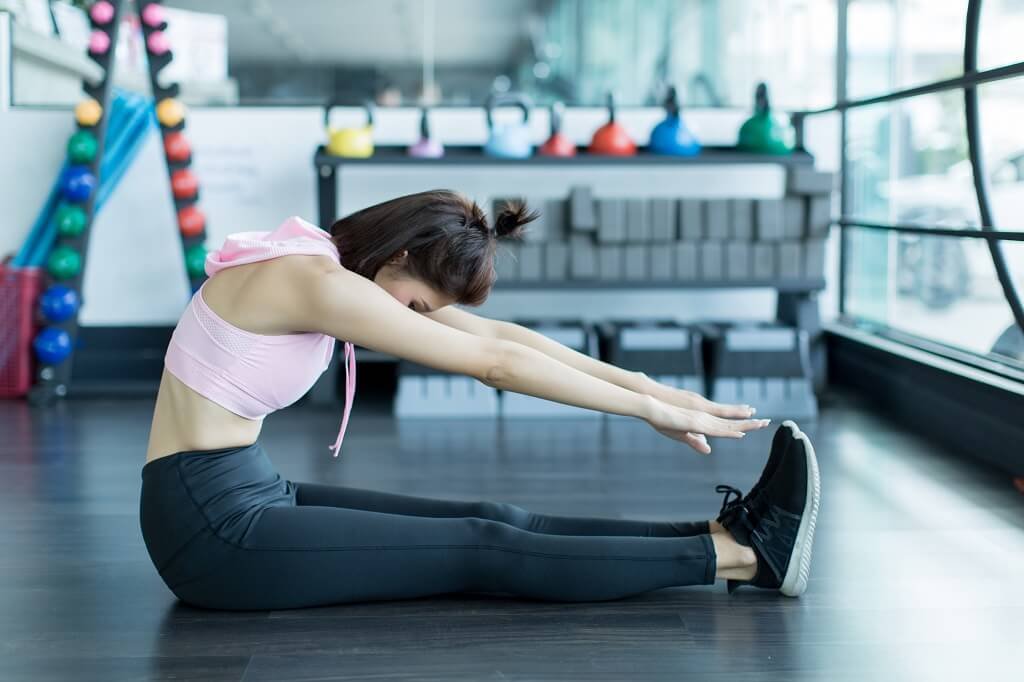
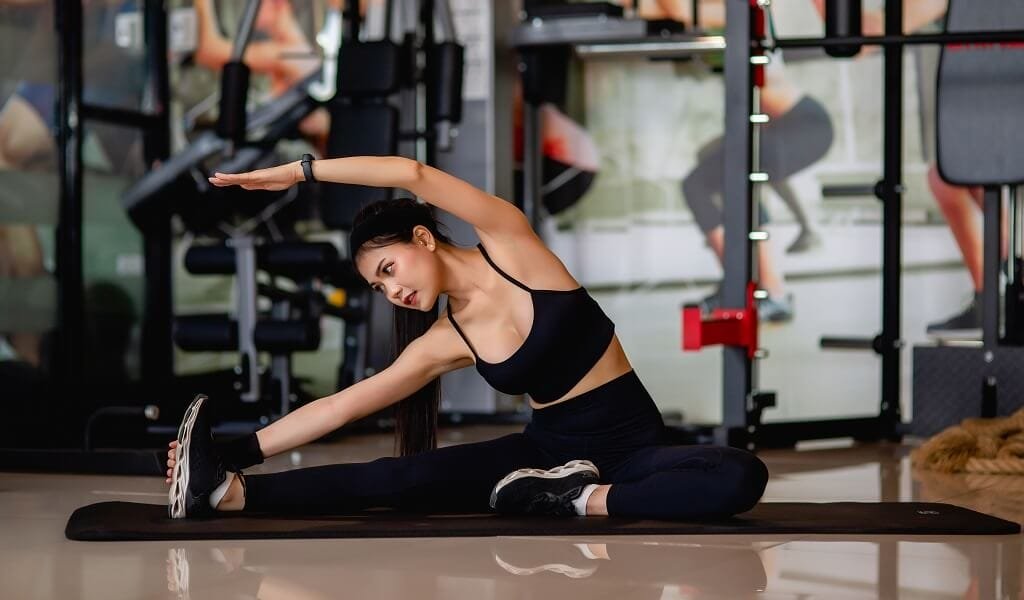
A static stretch is achieved in one position; you maintain the stretch for 20-60 seconds. The outlined form of stretching is also the most appropriate to perform at the end of the exercise, as it allows the muscles to relax, enhances flexibility, and helps you get better.
The purpose of the static stretches is less about warming and more about cooling, as they would allow your body to stay in an otherwise healthy range of motion.
Benefits of Static Stretching After a Workout
Following vigorous exercise, static stretches will relieve muscle pain and help maintain a superior body structure. Personal trainers frequently prescribe static stretching to support fat loss, strength building, and overall mobility. There is a faster way to recover by incorporating some form of stretching into your training programme and maintaining your fitness performance.
Popular Static Stretching Exercises during Training Sessions
Typical stretches that are used as statics are:
- seated hamstring stretches
- quad stretches
- calf stretches
- shoulder stretches
You can either do them alone or as your personal training programme. Certified trainers at the gym will be able to adapt these stretches to your fitness level and workouts, and you will be able to develop endurance and flexibility with their assistance and receive support for your health and fitness.
How Personal Trainers Incorporate Static Stretching in Programs
As part of the exercise, it is common in Singapore to have a personal training coach introduce static stretches as the final aspect of the work. Gym trainers would be able to integrate it into personalised nutrition guidance, exercise training, and progress monitoring to make your fitness journey sustainable. One-on-one personal training enables your coach to assess your body composition, hold you accountable, and make adjustments to your programme based on your goals.
Conclusion: Reach Your Fitness Goal with Stretching
It is not hard to distinguish between dynamic and static stretching when you know when to apply each. Dynamic stretching gets your body moving and ready to act, whereas static stretching allows your body to recover and remain flexible. They are both essential to any serious person when it comes to their workouts, whether strength training, cardio, or PT sessions.Our certified personal trainers at LTH Fitness can provide you with specialised guidance on which stretches best suit your fitness level and goals. Book a consultation now. Start your training in Singapore today, and we will create a training programme tailored to your preferences. With the right coach and custom training, you will be able to develop good, long-lasting habits, produce results, and reach your fitness goals faster.